1. Athletes Ask You First
BPC-157 and TB-500 come up in the training room long before they reach the team physician, and athletes want a straight answer about recovery and safety.
Peptavo is Jointly Accredited for 20 CME hours. Learn more about accreditation
Accredited peptide training for athletic trainers: what your athletes are taking, what the evidence says, and when to bring in the team physician.
Trusted by hundreds of clinicians
across the nation




Trusted by High-Powered Clinicians from
BPC-157 and TB-500 come up in the training room long before they reach the team physician, and athletes want a straight answer about recovery and safety.
Athletic trainers work under a directing physician and cannot prescribe. Advising on doses or handling injectables outside your state's rules puts your certification at risk.

Many popular peptides sit on the WADA and NCAA prohibited lists, and athletes often stack them without knowing which ones carry a ban.
And the vial in the locker room came from a research chemical site.

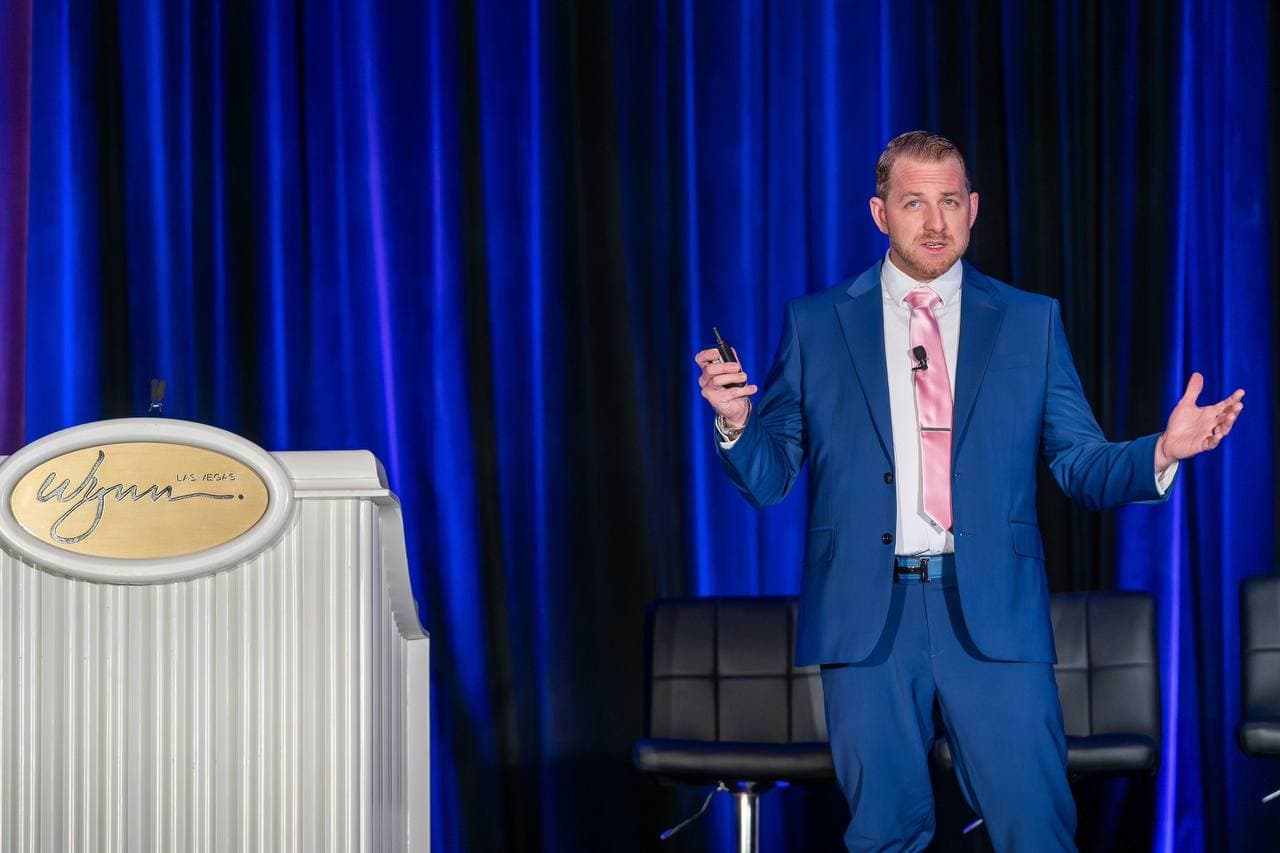
Dr. Morse, MD
I'm board-certified in sports medicine as well as family medicine, and I've prescribed peptides for 7+ years, much of it in recovery and musculoskeletal care. The athletic trainer is usually the first clinician to hear what an athlete is really taking. I built Peptavo so athletic trainers can answer those questions accurately and know when to refer.I built Peptavo so athletic trainers understand the mechanism, evidence, and safety profile behind every peptide their athletes mention, and know when to bring in the team physician.

Seen in




Pinnacle Conference, LLC is a BOC Approved Provider (AP# JA4008385), and this activity is eligible for a maximum of 20 Category A hours/CEUs toward your BOC certification maintenance.
12 modules and 30+ peptides, including the tissue repair and growth hormone compounds athletes ask about, each with its mechanism, evidence grade, and the safety signals to watch for.
Earn your Peptavo certificate and a public registry listing that team physicians, athletic directors, and employers can verify.


“The video content is highly informative, clear, and engaging, with complex concepts presented in an easy-to-understand manner...Highly recommended for anyone looking to develop a strong understanding of peptides.”
Most athletic trainers hear about peptides from athletes and supplement ads. Here is what clinical training adds.
The Old Way
CEUs
Hours on topics athletes never bring up
Up to 20 BOC Category A CEUs on peptides
Evidence
Recovery claims copied from social media
Mechanism and evidence grade for each compound
Safety
Side effects missed until they get worse
Contraindications and adverse effects to screen for
Referral
Guessing when to involve the team physician
Clear warning signs that send an athlete to the physician
Sourcing
Vials bought from research chemical sites
How licensed pharmacy sourcing works and why it matters

Modules 1 to 10 make up the accredited activity. Pinnacle Conference, LLC, BOC AP# JA4008385, makes it eligible for a maximum of 20 Category A hours/CEUs. Pass the assessments and submit the post-activity evaluation by August 24, 2029 to claim.
Athletic trainers cannot prescribe peptides. ATs practice under the direction of a physician, and whether you may give any prescription injectable depends on your state practice act and your directing physician's written protocols. Rules vary widely, and some states do not allow it at all. Your role with peptides is usually education, screening for adverse effects, documentation, and referral.
Many are. The WADA Prohibited List names BPC-157 as a non-approved substance and bans growth hormone secretagogues such as CJC-1295, ipamorelin, and the GHRPs, along with TB-500, at all times. The NCAA bans peptide hormones as a class. Athletes in tested sport are strictly liable for what is in their sample, so check the current list and Global DRO before an athlete uses anything.
Yes. Pinnacle Conference, LLC is a BOC Approved Provider (AP# JA4008385), and the activity is eligible for a maximum of 20 Category A hours/CEUs. ATs report 50 CEUs in each two-year reporting period, so this activity covers 20 of those 50. Check the BOC's current category requirements when you report.
Ask what they are taking, where it came from, and how they inject it, and document the answers without judgment. Products from research chemical sites carry real contamination and dosing risks. Screen for adverse effects, flag any anti-doping exposure, and refer to the team physician, who can evaluate the athlete and decide whether a supervised, properly sourced protocol makes sense.
It is written for licensed clinicians at medical school depth, and athletic trainers receive their own BOC credit designation. The modules on tissue repair, growth hormone secretagogues, and injection technique map most directly to the training room, while the prescribing content shows you what a physician should be doing for your athletes.
Volume pricing when 3 or more staff from one program enroll
Book a Call