1. Patients Ask You Before Anyone Else
You are the one at the bedside or on the follow-up call when a patient asks whether their peptide is safe, and a vague answer costs their trust.
Peptavo is Jointly Accredited for 20 CME hours. Learn more about accreditation
Accredited peptide training for nurse practitioners and registered nurses, from the prescribing decision to reconstitution and patient teaching.
Trusted by hundreds of clinicians
across the nation




Trusted by High-Powered Clinicians from
You are the one at the bedside or on the follow-up call when a patient asks whether their peptide is safe, and a vague answer costs their trust.
An NP's prescribing depends on state practice rules, and an RN acts only on a valid order. Stepping outside either puts your license at risk.

Lyophilized vials, bacteriostatic water, and unit conversions leave plenty of room for error without a clear method.
Plus the patient who calls at 9 p.m. about an injection site reaction.

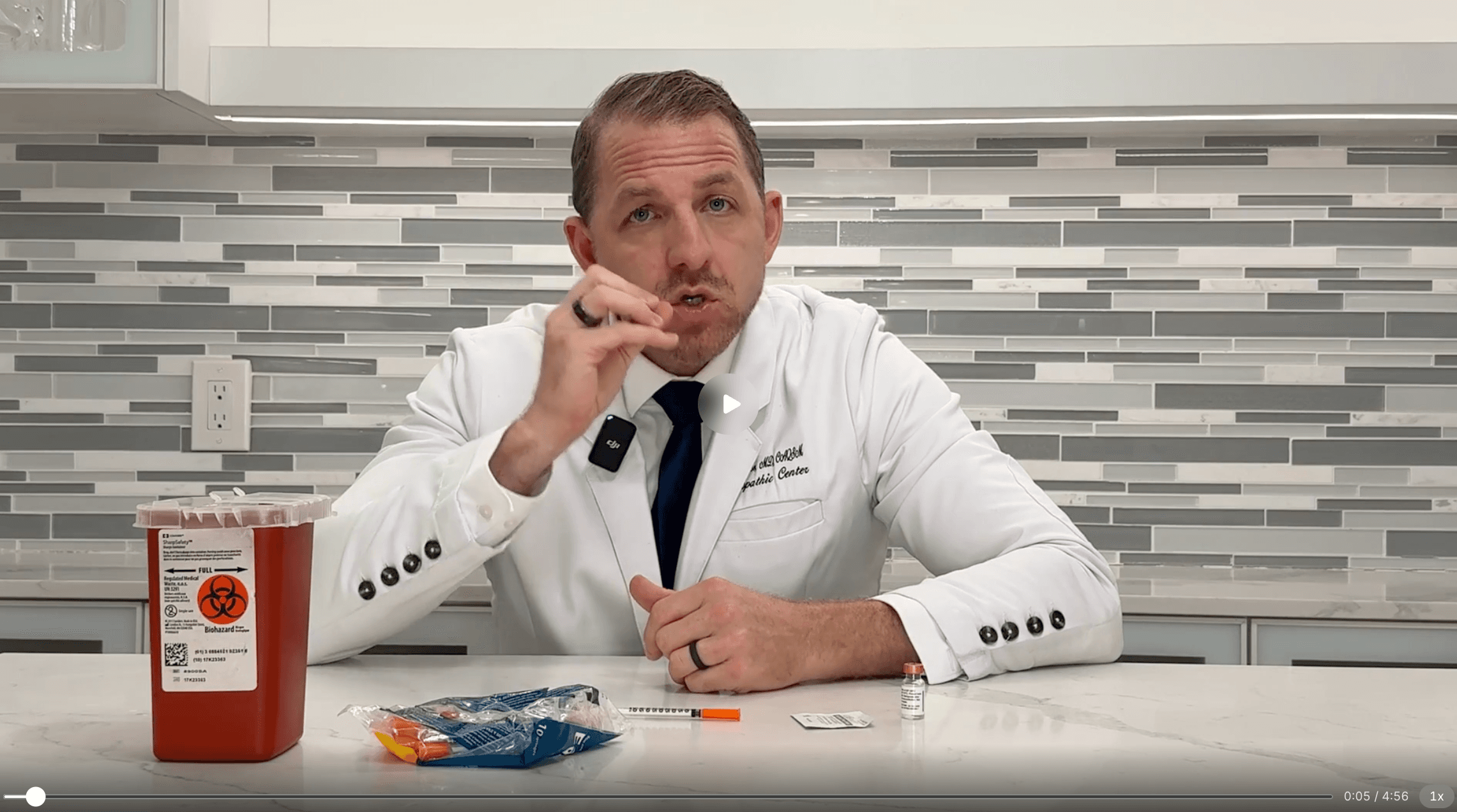
Dr. Morse, MD
I've prescribed peptides for 7+ years, and in every clinic the nurses are the ones who make a protocol work: they reconstitute, they teach, and they catch the side effect first. I built Peptavo so NPs and RNs learn the same framework the prescriber uses.I built Peptavo so NPs and RNs learn the framework I use, from mechanism and dosing through injection technique and monitoring, and can answer patients with confidence.

Seen in




Pinnacle Conference, LLC holds ANCC accreditation through Joint Accreditation. NPs can self-report the 16 pharmacology hours toward AANPCB or ANCC recertification, and RNs can apply the contact hours to license renewal.
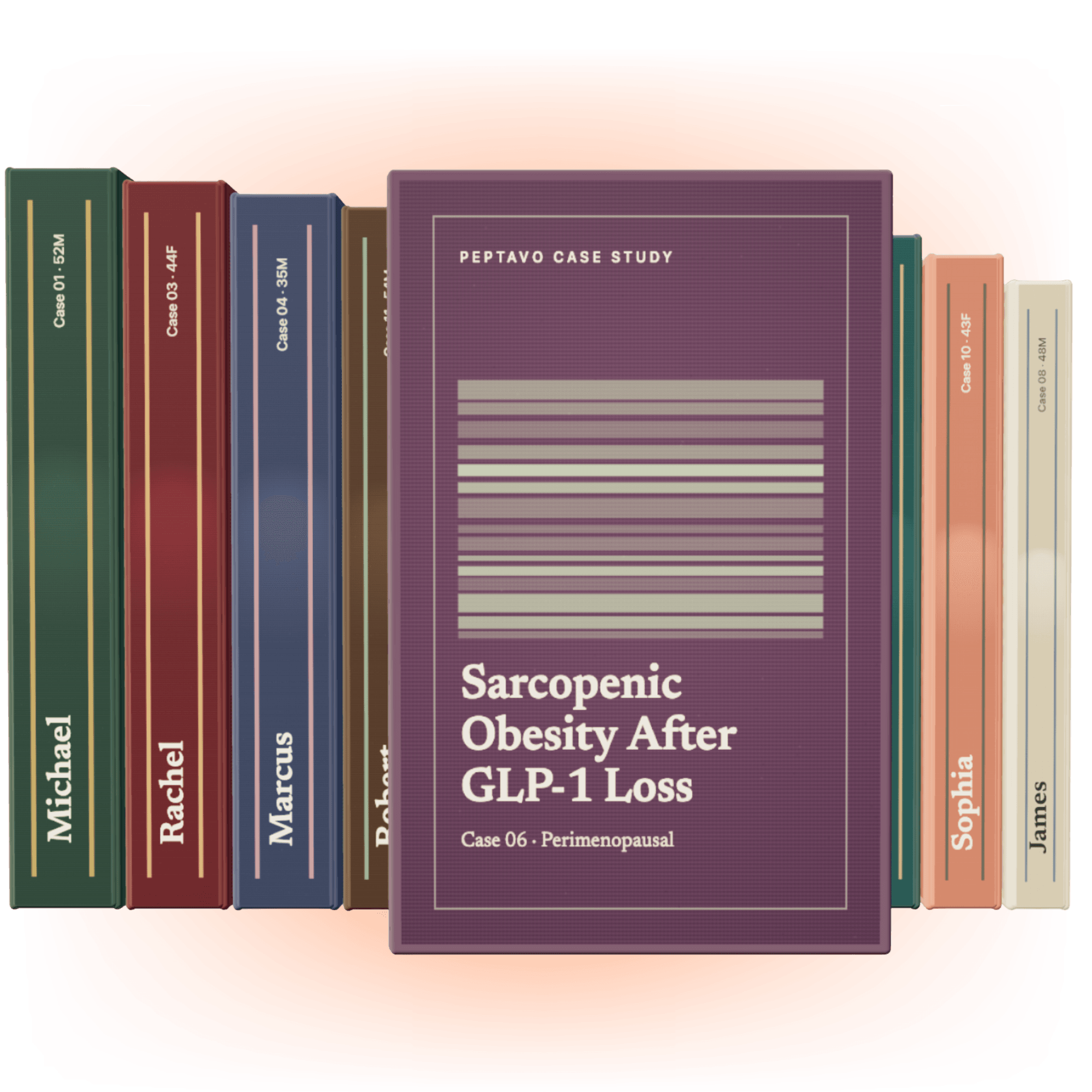
12 modules covering 30+ peptides, with the pharmacology NPs need to prescribe and the reconstitution, dose calculation, and injection demonstrations RNs use every day.
Earn your Peptavo certificate and a listing in the public registry, so a clinic, med spa, or hiring manager can confirm your training in seconds.


“I loved the breakdown, reminders of pathology, and learning new things about how peptides work for these specific conditions. It’s thorough, repeats information to reinforce, and is comprehensive.”
Nurses usually learn peptides on the job. Here is what formal training adds.
The Old Way
Contact hours
Generic CE that never touches peptide pharmacology
20 ANCC contact hours, 16 of them pharmacology
Technique
Reconstitution learned once from a coworker
Filmed demonstrations of reconstitution and injection
Teaching
Improvised answers to self-injection questions
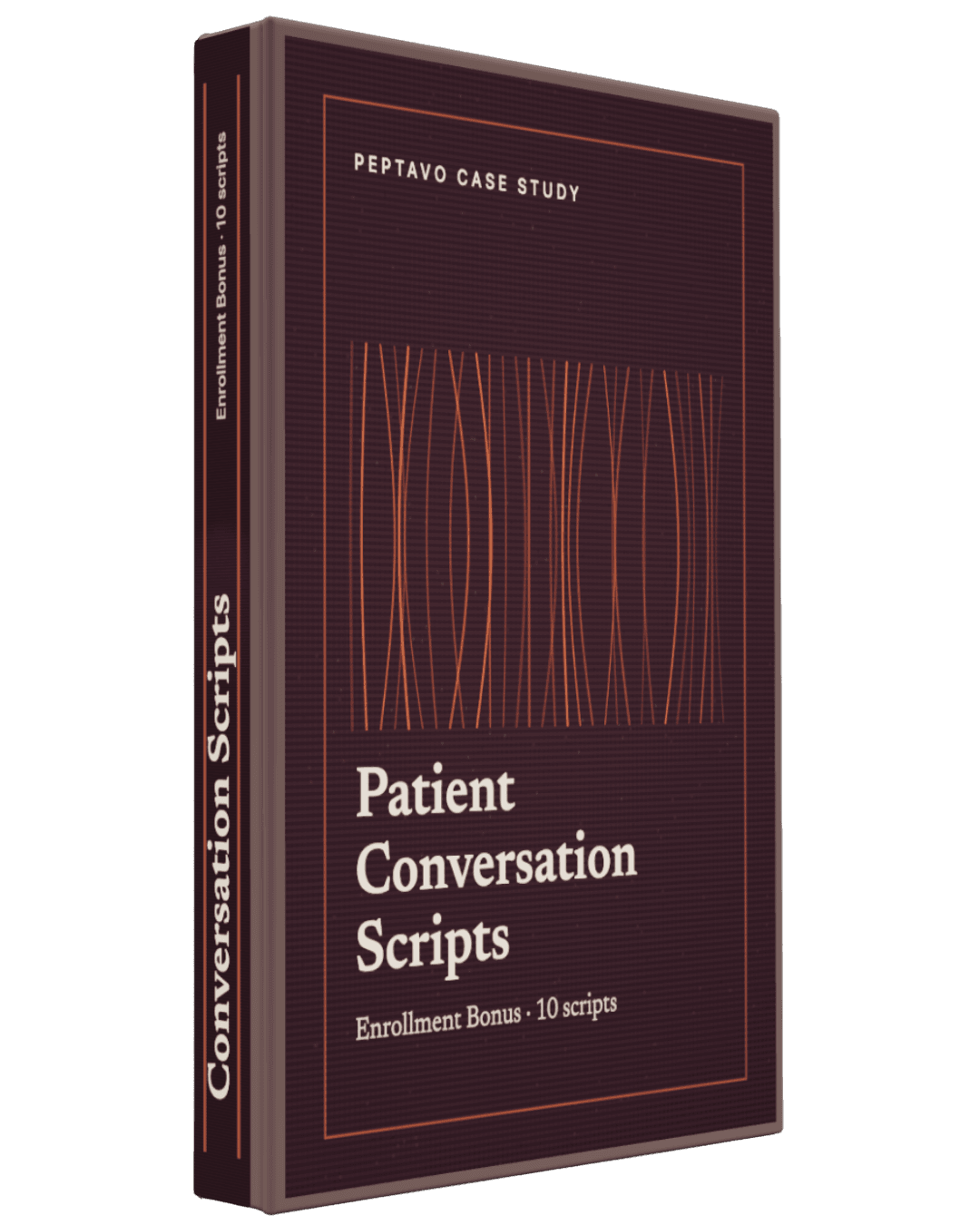
Scripts and handouts for teaching patients safely
Scope
Unsure what an NP or RN may do in your state
A clear line between prescribing, ordering, and administering
Safety
Side effects noticed late or not at all
Monitoring markers and red flags that go to the prescriber
Modules 1 to 10 make up the accredited activity, designated for 20 ANCC nursing contact hours. 16 of them are pharmacotherapeutic content NPs can self-report toward AANPCB or ANCC recertification, and NPs may instead apply for AMA PRA Category 1 Credit™ through the AANP. Claim by August 24, 2029.
Yes, within the prescriptive authority your state grants. In full practice states an NP can evaluate, prescribe and manage peptide therapy independently. In reduced or restricted practice states the same prescriptions run under a collaborative agreement or physician supervision, and some agreements narrow what an NP may prescribe. Compounded peptides go to a licensed 503A pharmacy on a patient-specific prescription, and a compound's federal status can change, so verify it before prescribing. Your state board of nursing sets the final boundary.
Yes, once a licensed prescriber has written a valid order for that patient. RNs cannot prescribe peptides or set the dose themselves. Within the order, an RN can reconstitute the vial, give the injection, teach the patient to self-administer and monitor for side effects. Rules on standing orders and delegation vary by state and by facility, so check both before building a peptide workflow.
They can. Pinnacle identified 16 of the 20 contact hours as pharmacotherapeutic content, and you self-report them as pharmacology when you recertify with the AANPCB or the ANCC. Your certificate lists the 20 contact hours. The pharmacology split comes from the activity's pharmacotherapeutic content statement, which you can cite in your recertification log.
Yes. The AANP accepts AMA PRA Category 1 Credit™ from jointly accredited providers, and Pinnacle Conference, LLC is one. NPs can also apply through their state board. Choose the route your certifying body and board expect, keeping in mind that only the ANCC contact hours carry the pharmacology designation.
Boards that require continuing education for RN renewal generally accept contact hours from ANCC-accredited providers, and Pinnacle holds that accreditation through Joint Accreditation. Some states also require hours on specific topics, so check your board's list before counting this activity toward one of those.
It is taught at medical school depth and assumes a working grasp of physiology and pharmacology, which RN training provides. For day-to-day nursing work, Module 11 on reconstitution and injection and the monitoring sections of Module 10 apply first. The prescribing decisions are written for the clinician who holds that authority.
Volume pricing when 3 or more nurses or NPs enroll together
Book a Call