1. Patients Expect Their PA to Know
Patients ask about peptides at the follow-ups you run. Deferring every question to the physician slows care and chips away at the trust you have built.
Peptavo is Jointly Accredited for 20 CME hours. Learn more about accreditation
Accredited peptide training for PAs, with written protocols you can bring to your collaborating physician and AAPA Category 1 CME for NCCPA.
Trusted by hundreds of clinicians
across the nation





Trusted by High-Powered Clinicians from
Patients ask about peptides at the follow-ups you run. Deferring every question to the physician slows care and chips away at the trust you have built.
Prescribing outside your supervision or collaboration agreement, or through a pharmacy that is not properly licensed, exposes you and the physician who signed with you.

Adding a peptide stalls when you can't show a sequence, dose, and stop rule your physician can review.
And your next NCCPA cycle still needs its Category 1 credits.

Dr. Morse, MD
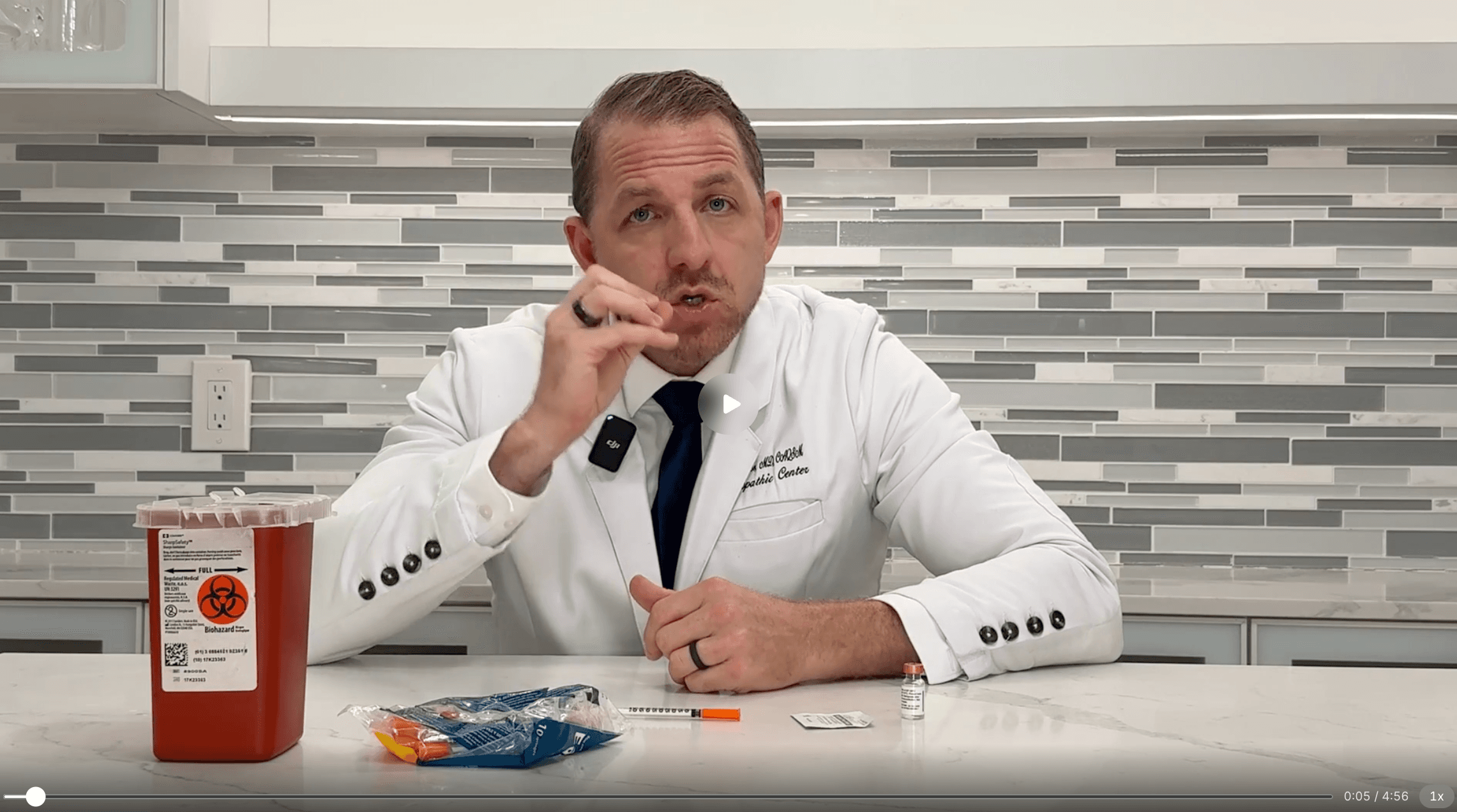
I've prescribed peptides for 7+ years, and I teach them the way I'd want any clinician on my team to learn them: mechanism, candidacy, dose, sequencing, and monitoring, in that order. I built Peptavo so PAs can bring their physician a protocol that holds up.I built Peptavo so PAs have everything I use in clinic, written clearly enough to share with the physician you practice with and defend to any reviewer.

Seen in




AAPA authorized Pinnacle Conference, LLC to award Category 1 CME for this activity. Log all 20 credits with NCCPA toward the 50 Category 1 credits each two-year cycle requires.
12 modules and 30+ peptides, with candidacy criteria, baseline labs, dosing, sequencing, and stop rules laid out so your collaborating physician can review the plan quickly.
Earn your Peptavo certificate and a public registry listing that your physician, practice, and patients can check whenever they need to.


“There's extensive detailed patient case studies and treatment protocols. And the video content gives you the confidence that you need to answer patients questions, come up with the appropriate treatment modality, and review the contraindications related to peptide treatment.”
PAs often add peptides one patient question at a time. Here is what structured training changes.
The Old Way
CME
Category 1 hours spent on topics you rarely use
20 AAPA Category 1 credits on a therapy patients ask about
Buy-in
Asking your physician to approve a forum dose
A written protocol with evidence and monitoring
Charting
Notes that would not survive a chart review
Consent, indication, and monitoring captured every time
Scope
Guessing what your agreement covers
A clear read on prescribing within your agreement
Cases
Theory with no patient to follow
Eight real cases from intake to follow-up


Modules 1 to 10 make up the accredited activity, designated for 20 AAPA Category 1 CME credits that NCCPA accepts toward certification maintenance. Pass the assessments, submit the evaluation by August 24, 2029, and log the credits in your NCCPA account.
Yes. PAs hold prescriptive authority in all 50 states and the District of Columbia, and it extends to peptide drugs within the scope your state and your practice agreement allow. Some states tie a PA's prescribing to the collaborating physician's own scope or to a formulary, so read your agreement before adding a new class of therapy. Compounded peptides go to a licensed 503A pharmacy on a patient-specific prescription, and each compound's federal status can change, so confirm it before you prescribe.
Yes. NCCPA accepts AAPA Category 1 CME for certification maintenance. Log the 20 credits as Category 1 in your NCCPA account, where they count toward the 50 Category 1 credits every two-year cycle requires.
No. You can enroll and earn your credit on your own. The conversation about adding peptides does move faster when both of you work from the same protocols, and practices that certify three or more clinicians get volume pricing.
For licensed prescribers. The accredited activity names PAs in its target audience alongside physicians, nurse practitioners and pharmacists, and the clinical content is the same for every license. The credit is what differs: PAs claim AAPA Category 1 CME.
Record the indication, the evidence you relied on, the informed consent discussion including off-label disclosure, the baseline labs and the monitoring plan. The course walks through each piece, so your chart shows that you and your physician followed a sound process.
Volume pricing when 3 or more clinicians in your practice enroll
Book a Call