1. Patients Arrive With a Protocol From the Internet
They have read about BPC-157 and sermorelin before the visit, and they expect you to know the dose, the evidence, and the risks.
Peptavo is Jointly Accredited for 20 CME hours. Learn more about accreditation
Accredited peptide training for MDs and DOs that turns patient questions into protocols you can sign, dose, and monitor.
Trusted by hundreds of clinicians
across the nation




Trusted by High-Powered Clinicians from
They have read about BPC-157 and sermorelin before the visit, and they expect you to know the dose, the evidence, and the risks.
The order is yours. Writing it without knowing a compound's regulatory category or sourcing rules puts your license behind someone else's guesswork.

Two or three compounds at once, and no clear rule for which to start, when to add the next, or which lab tells you to stop.
And that is before your NPs ask you to sign off on theirs.

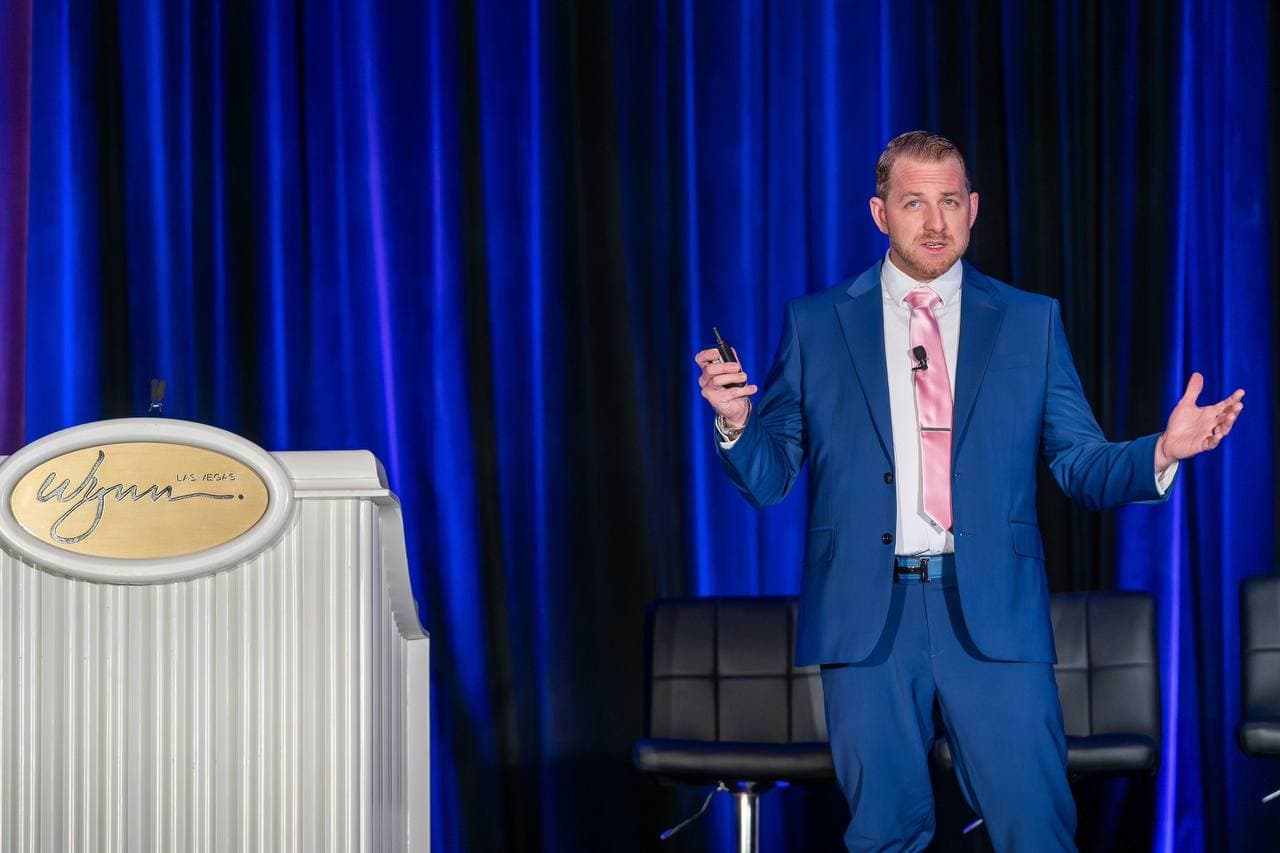
Dr. Morse, MD
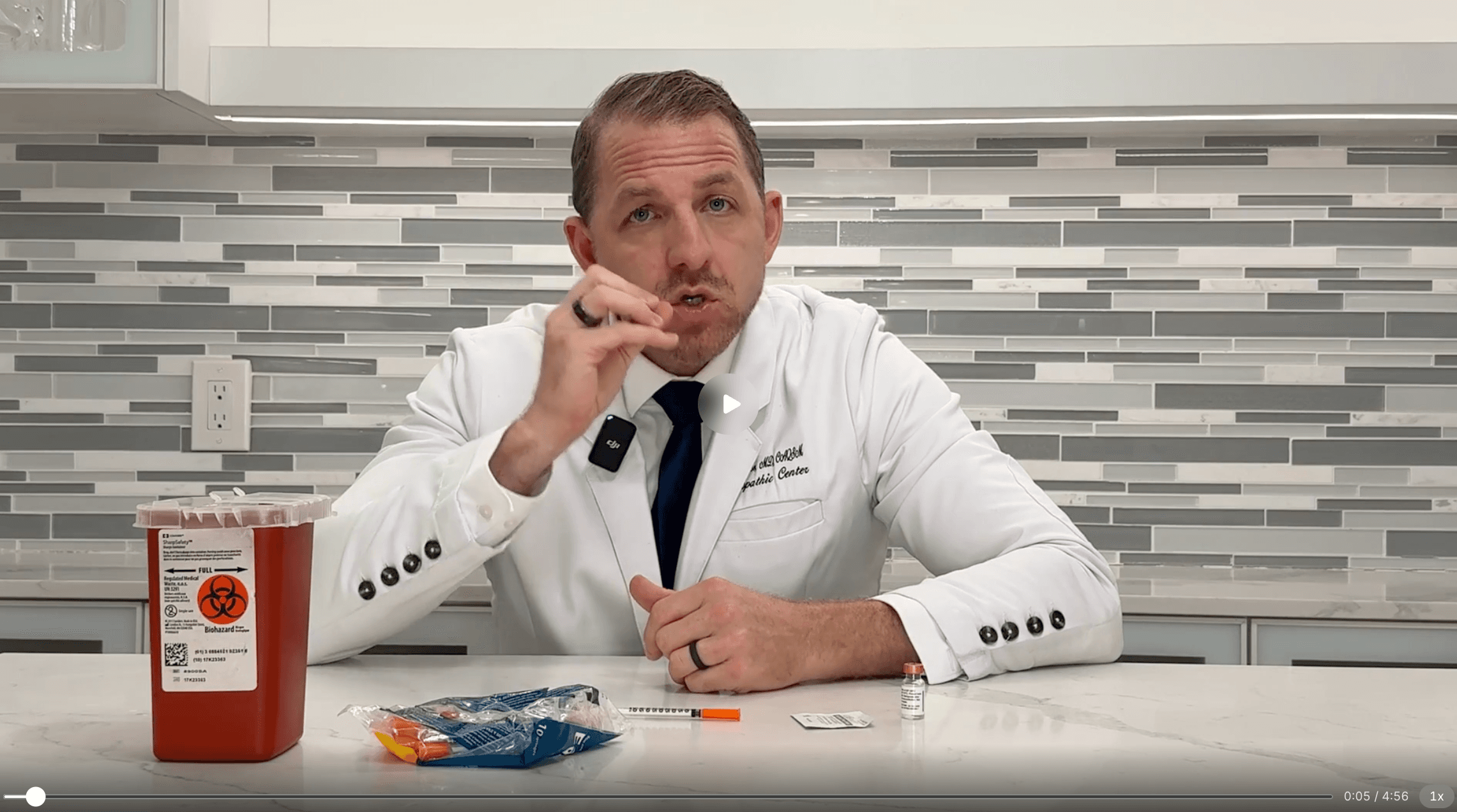
I'm board-certified in family and sports medicine, and I've prescribed peptides for 7+ years across recovery, musculoskeletal, and anti-aging medicine. I've watched colleagues get burned when they skip the fundamentals. I built Peptavo so physicians can answer peptide questions with the same rigor they bring to every other drug.I built Peptavo to give physicians the framework I use in clinic: mechanism first, then dose, sequence, and monitoring, so every order you sign holds up.

Seen in




Pinnacle Conference, LLC, a jointly accredited provider, designates the activity for up to 20 AMA PRA Category 1 Credits™. MDs apply them to state license renewal, and DOs can count them as AOA Category 2-A.
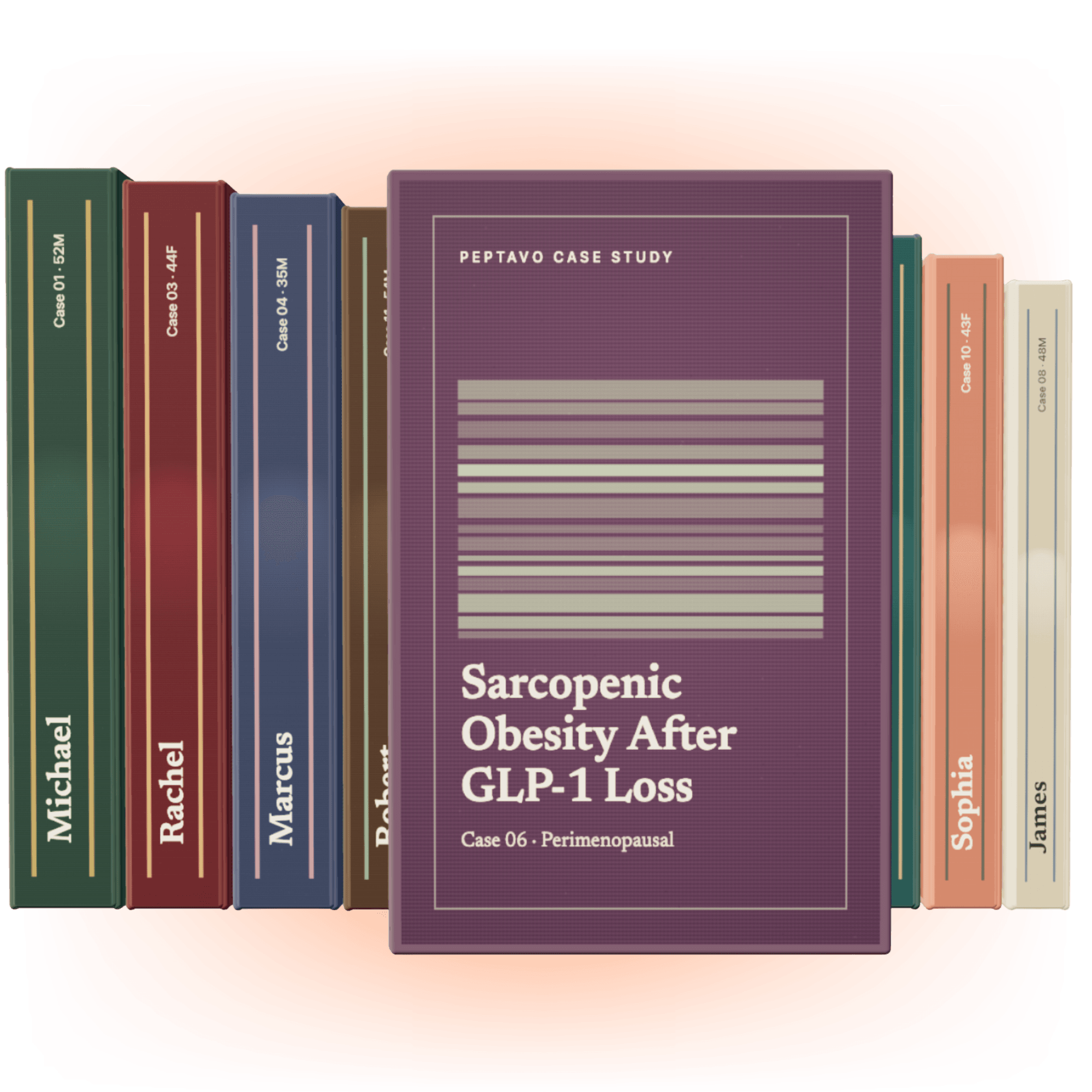
12 modules and 30+ peptides, taught at the depth a prescribing physician needs: candidacy, baseline labs, sequencing, IGF-1 and other monitoring, and when to stop. Eight real patient cases show each decision in order.
Pass the assessments to earn your Peptavo certificate, listed in a public registry where patients, partners, and credentialing staff can confirm it.


“The video content is highly informative, clear, and engaging, with complex concepts presented in an easy-to-understand manner...Highly recommended for anyone looking to develop a strong understanding of peptides.”
Most physicians picked up peptides from colleagues and forums. Here is what changes with structured training.
The Old Way
CME
Conference hours that never mention peptides
Up to 20 AMA PRA Category 1 Credits™ on what you prescribe
Protocols
Dosing borrowed from a colleague or a vendor handout
Condition-based protocols with dose, sequence, and duration
Monitoring
No agreed lab to confirm a protocol is working
Defined markers and stop rules for each pathway
Sourcing
No clear view of which pharmacy or category is legitimate
503A and 503B sourcing rules and compound classification
Team
Every provider in the practice doses differently
One shared framework for you and the NPs and PAs you oversee
Modules 1 to 10 make up the accredited activity. Pinnacle Conference, LLC designates it for a maximum of 20 AMA PRA Category 1 Credits™, which state medical boards accept toward renewal and the AOA counts as Category 2-A for DOs. Pass the assessments and submit the post-activity evaluation by August 24, 2029 to claim.
Yes. An MD or DO with an active license can prescribe FDA-approved peptide drugs on label or off label within the standard of care. Compounded peptides follow a separate path: they go to a licensed 503A pharmacy on a patient-specific prescription, and the bulk substance must be one the pharmacy may legally compound. The FDA sets that status compound by compound and revises it as it reviews nominations, so the course teaches you to verify current federal and state status before starting any new compound and to source only from licensed pharmacies.
In most states, yes. State medical boards generally accept AMA PRA Category 1 Credit™ toward renewal, and this activity carries up to 20. Some boards also require hours on set topics such as controlled-substance prescribing or implicit bias. This activity does not cover those, so confirm them with your board separately.
State licensing boards that accept AMA PRA Category 1 credit accept it from DOs as well. For AOA board certification, the AOA counts AMA PRA Category 1 Credit™ as Category 2-A, which adds to your cycle total but does not satisfy the Category 1-A minimum.
Yes. Each clinician enrolls on their own account and claims the credit their license takes: ANCC contact hours for nurses and NPs, AAPA Category 1 CME for PAs. Practices certifying three or more clinicians get volume pricing, and the practice can be invoiced directly.
Yes. It covers informed consent with off-label disclosure, what belongs in the chart before you write an off-label peptide prescription, and the monitoring that shows you acted on the evidence. For questions about your own malpractice coverage, talk to your carrier.
Volume pricing for practices certifying 3 or more clinicians
Book a Call